
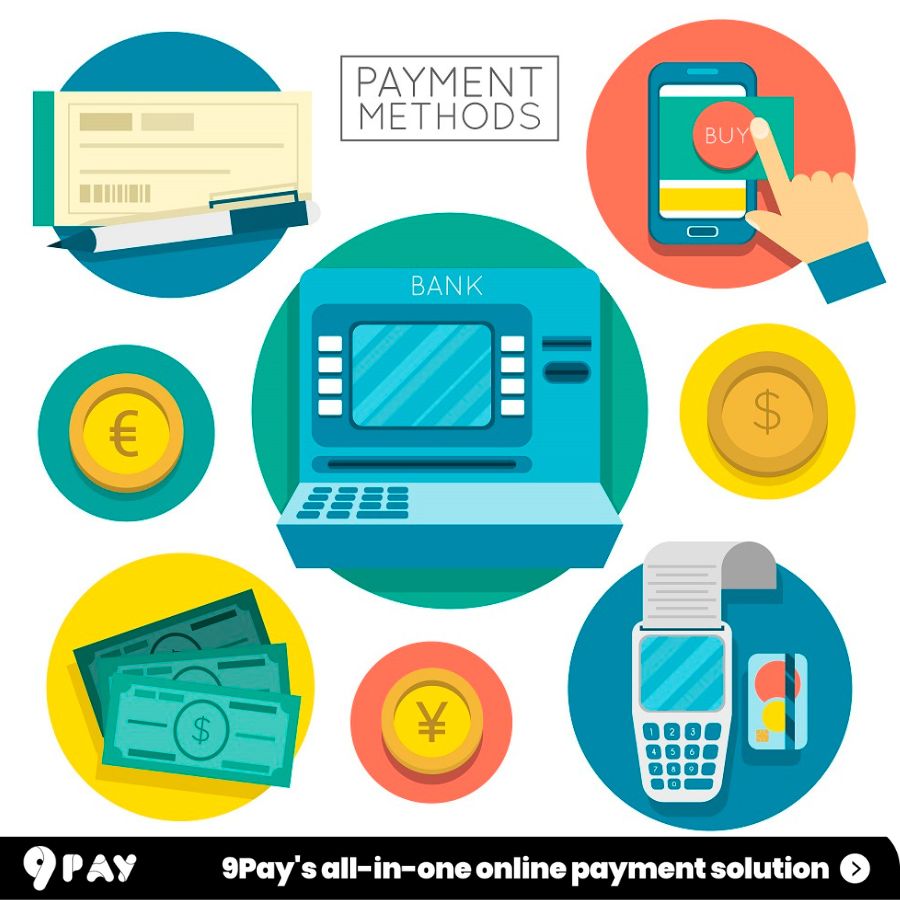
In today’s digital age, innovative payment methods are becoming increasingly popular, especially those connected with No. This transformation brings convenience to consumers and businesses alike. One of the platforms pioneering these changes is Payment Methods Connected With No Deposit Bonus Codes https://www.godkollega.no/. Here, we delve deeper into the landscape of modern payment solutions and their impact on the way we handle transactions.
The Evolution of Payment Methods
As technology evolves, so does the way we make payments. Cash transactions are slowly being replaced by a variety of electronic payment methods. This shift not only enhances convenience but also improves security. From digital wallets to contactless cards, there are numerous options at our disposal today.
1. Digital Wallets
Digital wallets like PayPal, Venmo, and Apple Pay have made it easier for consumers to send and receive money without the hassle of traditional banking methods. These platforms allow users to store their payment information securely and facilitate quick transactions. The integration of these wallets with mobile apps has transformed how people conduct business, allowing for instant payments and a smooth checkout experience.
2. Contactless Payments
Contactless payments are revolutionizing the retail experience. By simply tapping a card or smartphone at a point-of-sale terminal, consumers can complete transactions in a matter of seconds. This method is not only faster but also reduces physical contact, which is essential in today’s health-conscious world. As more retailers adopt this technology, the convenience of contactless transactions is set to grow.
3. Cryptocurrencies
Blockchain technology has introduced an entirely new way of thinking about payments through cryptocurrencies like Bitcoin and Ethereum. These decentralized currencies offer a unique alternative to traditional payment systems, allowing for peer-to-peer transactions without the need for a central authority. As acceptance of cryptocurrencies grows, many businesses are exploring how to incorporate them into their payment options.
The Role of Payment Processors
Payment processors play a crucial role in facilitating seamless transactions between consumers and businesses. They act as intermediaries, ensuring that the payment information is securely transmitted from the buyer to the seller. Providers like Stripe and Square offer tailored solutions for businesses to accept various payment methods, improving the overall customer experience.
4. Subscription-Based Payment Models
With the rise of subscription services, companies are adapting their payment methods accordingly. From streaming services to subscription boxes, businesses are increasingly offering recurring payment options, which provide convenience for consumers and a reliable revenue stream for the business. This model allows customers to enjoy uninterrupted service while eliminating the need for repeated manual payments.
Benefits of Modern Payment Methods
The benefits of adopting innovative payment methods connected with No are vast. Here are some of the key advantages:
- Convenience: Consumers can make payments anytime and anywhere, eliminating the need for cash or checks.
- Speed: Transactions are processed almost instantly, enhancing the overall efficiency of financial exchanges.
- Security: Advanced encryption and fraud detection technologies offer enhanced security compared to traditional methods.
- Tracking and Management: Digital payments provide users with easy tracking of their spending patterns and financial management tools.
Challenges and Considerations
Despite the myriad benefits, there are also challenges associated with the adoption of modern payment methods. Security breaches and fraud are ongoing concerns that require constant vigilance from both payment providers and users. Additionally, the reliance on technology can present issues for individuals who lack digital skills or access to technology.
5. Regulatory Challenges
Governments and regulatory bodies are continually working to catch up with the rapidly evolving payment landscape. Businesses must navigate a complex web of regulations concerning data protection, anti-money laundering, and financial reporting. Compliance can be challenging, particularly for small businesses that may lack the resources to stay informed on changing regulations.
6. Consumer Trust
Establishing trust is vital for the success of any payment method. Consumers must feel confident that their sensitive information is protected. Payment providers must invest in education and transparency to foster trust among users.
The Future of Payment Methods
Looking ahead, the landscape of payment methods will continue to evolve. Emerging technologies such as artificial intelligence and machine learning are expected to play a significant role in enhancing security and improving user experience. Additionally, as global commerce expands, there will be a growing demand for payment solutions that cater to diverse markets and currencies.
7. Biometric Payments
Biometric payment methods, such as facial recognition and fingerprint scanning, are on the horizon. These innovations promise even higher security standards and convenience for users. As technology continues to advance, we can expect to see more users adopting biometric solutions for their transactions.

8. Integration with E-commerce
The boom of e-commerce has led to the demand for integrated payment solutions. Payment methods that seamlessly connect with e-commerce platforms will be key to supporting online retailers. From one-click payments to customizable checkout experiences, the future will focus on streamlining online transactions.
Conclusion
The transition to innovative payment methods connected with No is reshaping how we think about money and transactions. Digital wallets, contactless payments, and cryptocurrencies are just the beginning. As technology continues to advance, the payment landscape will evolve, providing enhanced convenience, security, and efficiency for consumers and businesses alike. Staying informed about these changes and adapting to new methods will be essential for anyone looking to thrive in a fast-paced digital economy.